How to Measure & Order Tiles Correctly
Planning a tiling project can feel straightforward at first, until it comes time to calculate how many tiles you actually need. Many homeowners and renovators underestimate how precise this step needs to be. Ordering too few tiles can delay your project, while over-ordering can stretch your budget unnecessarily. Getting it right from the beginning is what separates a smooth renovation from a frustrating one. If you are visiting a tile shop in Darwin to choose your materials, having accurate measurements and a clear plan will help you make confident decisions and achieve a clean, professional finish.
Start With Accurate Room Measurements
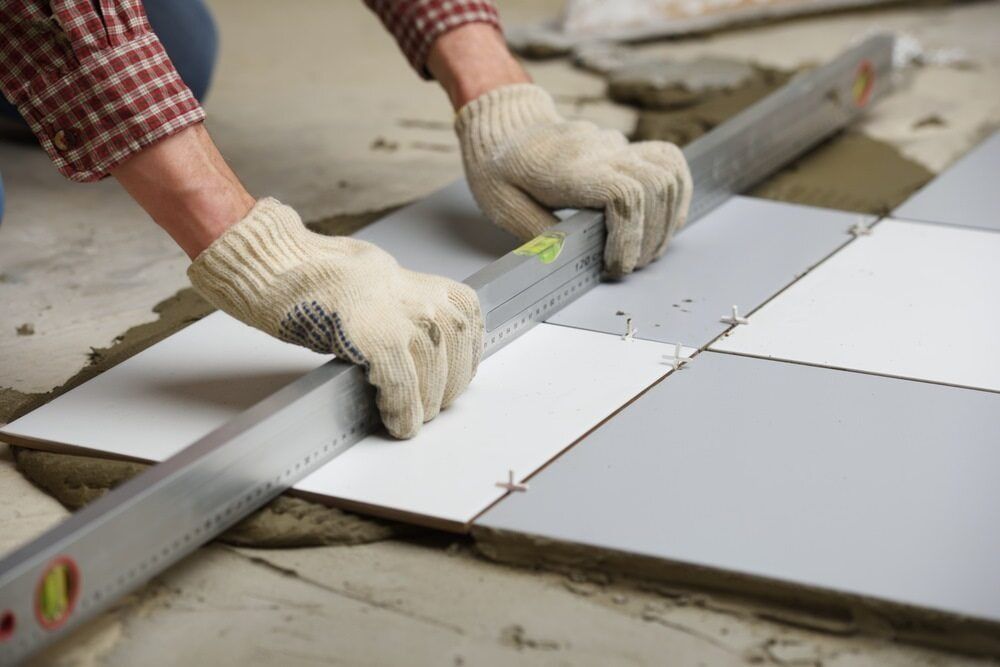
Every successful tiling project begins with precise measurements. Guesswork or rough estimates often lead to ordering issues later on, especially when working across multiple surfaces or irregular spaces. Taking the time to measure properly ensures you have a solid foundation for the rest of your planning.
To measure your space correctly, you should:
- Measure the length and width of each area in metres, then calculate the total square metres.
- Include all sections of the room, even small alcoves or recessed areas.
- Double-check your figures to avoid small errors that can affect your final order.
Accurate measurements not only guide how many tiles you need but also help when discussing your project with suppliers or installers.
Factor In Cuts, Corners, & Wastage
Tiles rarely fit perfectly edge to edge without any adjustments. Cutting tiles to fit around walls, fixtures and corners is part of almost every project. This is why ordering only the exact measured amount can quickly become a problem.
When planning for wastage, it is important to allow for:
- Offcuts created when tiles are trimmed to fit edges and corners.
- Accidental breakages during transport or installation.
- Future repairs where spare tiles may be needed for consistency.
A general allowance of extra tiles helps prevent delays if something goes wrong. It also means you are not left trying to match tiles later, which can be difficult if batches change.
Choose Your Tile Layout Before Ordering
The way your tiles are laid has a direct impact on how many you will need. Different layouts require different cutting patterns, which can increase wastage if not accounted for early in the process.
Before placing an order, consider layouts such as:
- Straight or grid patterns, which are simpler and usually involve less cutting.
- Diagonal layouts, which often create more offcuts and require extra tiles.
- Feature patterns or mixed sizes, which may need more planning and additional material.
Deciding on your layout first allows you to calculate quantities more accurately and avoid surprises once installation begins.
Account for Grout Lines & Spacing
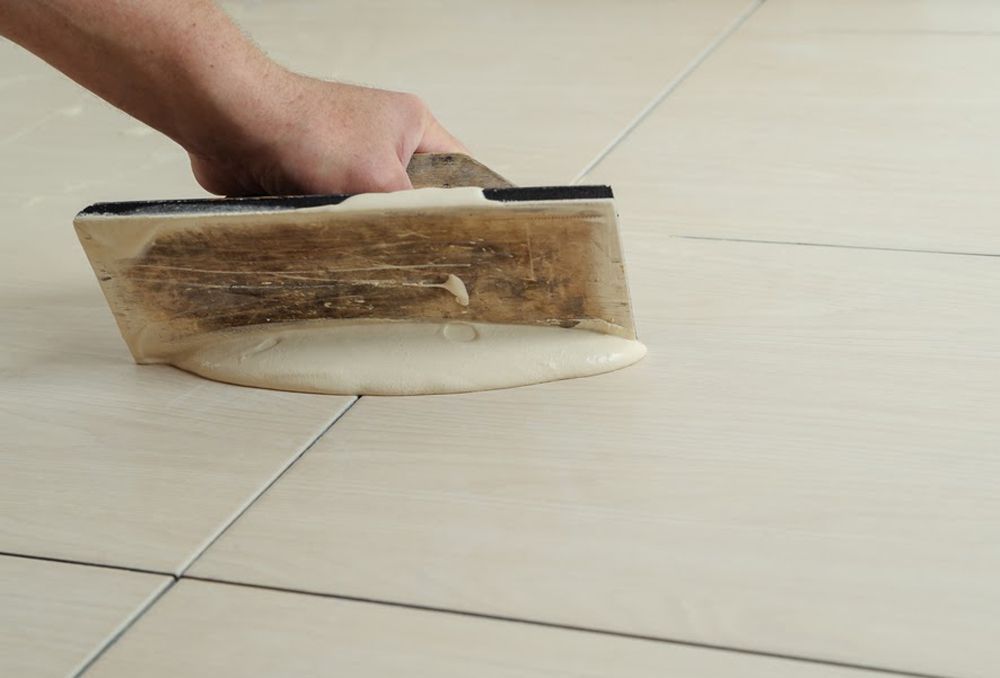
While tiles themselves take up most of the surface area, grout lines also play a role in the final layout. Ignoring spacing can slightly alter your calculations, especially in larger areas or when using bigger tiles.
When planning your layout, make sure you:
- Include the width of grout lines in your overall measurements.
- Consider how spacing affects tile alignment across the room.
- Check manufacturer recommendations for consistent spacing.
These small details contribute to a more polished result and ensure your tiles sit evenly across the entire surface.
Measure Walls & Floors Separately
It is common for renovation projects to include both floor and wall tiling, particularly in bathrooms, kitchens and laundries. Each surface needs to be measured individually, as they often require different tile types and quantities.
To stay organised, it helps to:
- Calculate floor areas separately from wall areas.
- Measure wall height and width for each section, including splashbacks.
- Keep a clear record of each surface to avoid confusion when ordering.
Breaking the project into sections makes it easier to manage and ensures nothing is overlooked when purchasing your tiles.
Order From the Same Batch for Consistency
Tiles are manufactured in batches, and slight variations in colour or finish can occur between them. Even small differences can become noticeable once tiles are laid across a large surface.
To maintain a consistent look, you should:
- Order all required tiles at the same time whenever possible.
- Check batch numbers to ensure they match across your order.
- Keep spare tiles from the same batch for any future repairs.
This step is often overlooked, but it plays a key role in achieving a uniform and professional finish.
Avoid Under-Ordering by Planning Ahead
Running out of tiles midway through a project can bring everything to a halt. It may take time to source additional stock, and there is no guarantee it will match your original batch. Planning ahead reduces this risk significantly.
To avoid under-ordering, make sure you:
- Confirm your measurements and wastage allowance before purchasing.
- Round up your order rather than cutting it too close.
- Speak with your supplier about recommended quantities for your layout.
A small buffer in your order can save time, money and stress once installation is underway.
Work With Experts to Get It Right the First Time
Even with careful planning, tile calculations can feel overwhelming, especially for first-time renovators or larger projects. Getting guidance from experienced professionals can help you avoid costly mistakes and ensure your project runs smoothly.
When visiting a tile shop in Darwin, it is helpful to:
- Bring your measurements and layout plans for review.
- Ask for advice on tile quantities based on your chosen design.
- Confirm details like batch consistency and delivery timing.
Professional insight can make a significant difference, turning a complex process into a manageable one and helping you feel confident in your decisions.
Plan Smart for a Better Finish
We at Northern Tile Gallery understand that accurate planning is the key to a successful tiling project. Whether you are renovating a bathroom, updating a kitchen or working on a full property fit-out, getting your measurements and ordering right from the start can save time, reduce waste and deliver a far better result.
In Darwin’s conditions, where project timing and material availability can affect progress, having the right advice and the correct tile quantities from the beginning makes all the difference. If you are preparing for your next project and want guidance you can rely on, get in touch with our tile shop in Darwin to help you plan with confidence and achieve a finish you will be proud of.