What's New
- Exclusive tile collections in stock
- In-store colour & design advice
- Bulk purchase discounts available
Latest Arrivals & Trends
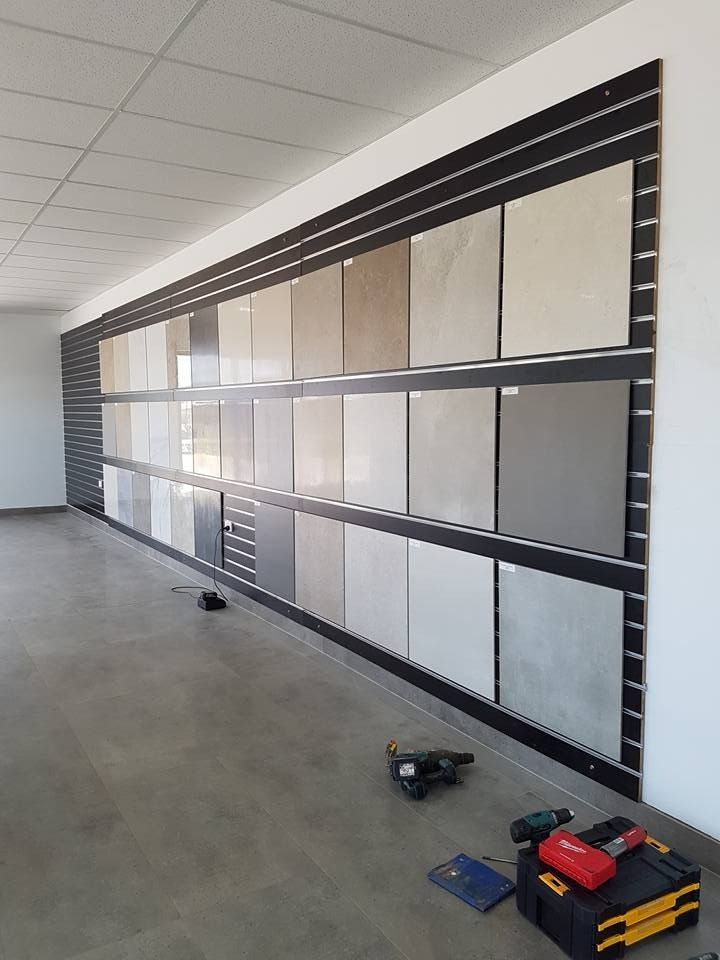
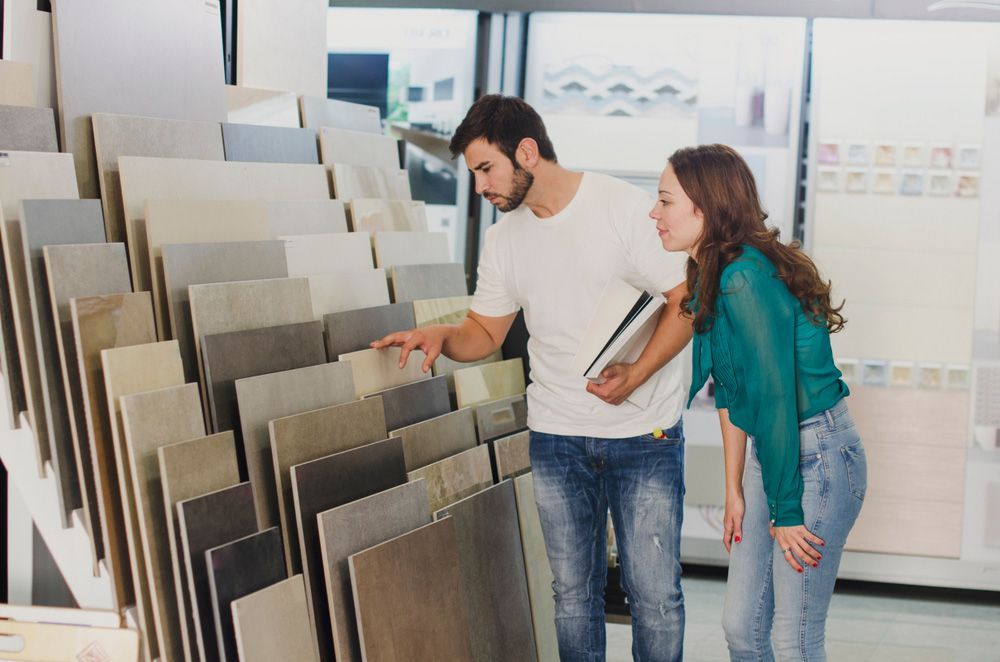
At Northern Tile Gallery in Darwin, we’re always updating our range to bring you the latest in tile design, finishes and bathroom trends. Whether it’s a new collection of feature tiles, trending colour palettes or innovative textures, our showroom is constantly refreshed with fresh inspiration for your next project. We also keep an eye on seasonal design movements and practical improvements—like anti-slip surfaces, eco-friendly materials and advanced water-resistant options—to ensure you have access to both style and substance.
Check in regularly to see what’s arrived, what’s trending, and what’s perfect for your space. For the latest updates or to speak with our team, visit the showroom or call
08 8947 1182 today.

By Northern Tile Gallery
•
March 18, 2026
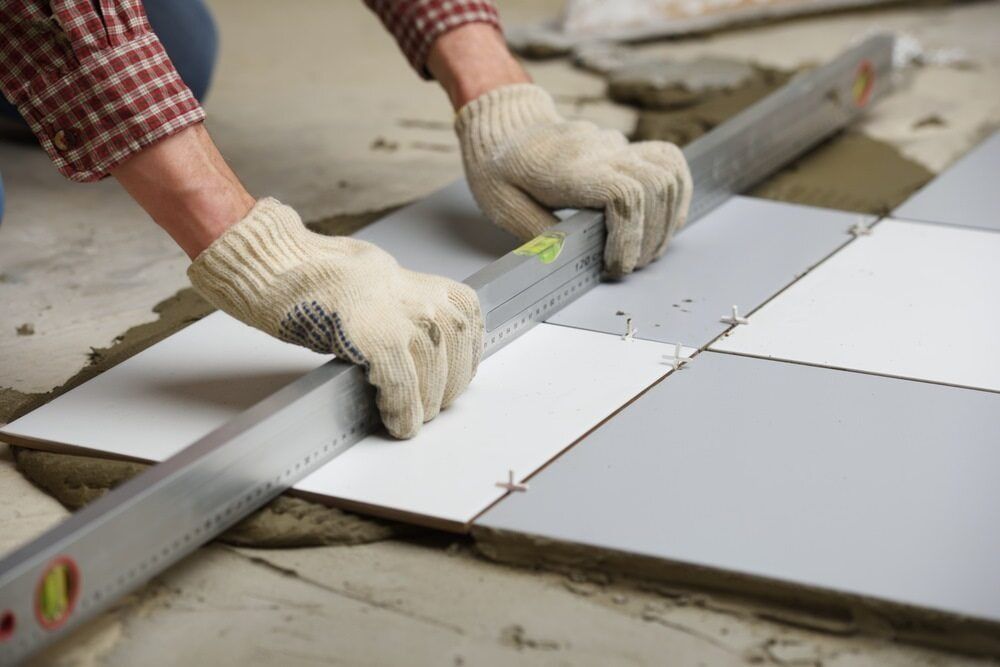
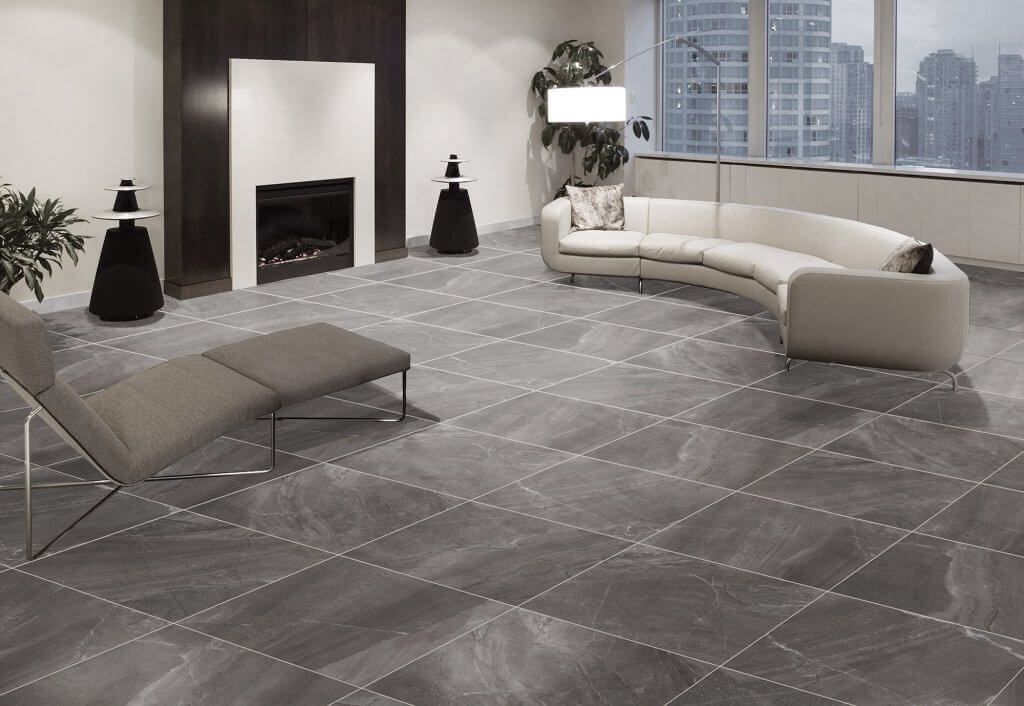
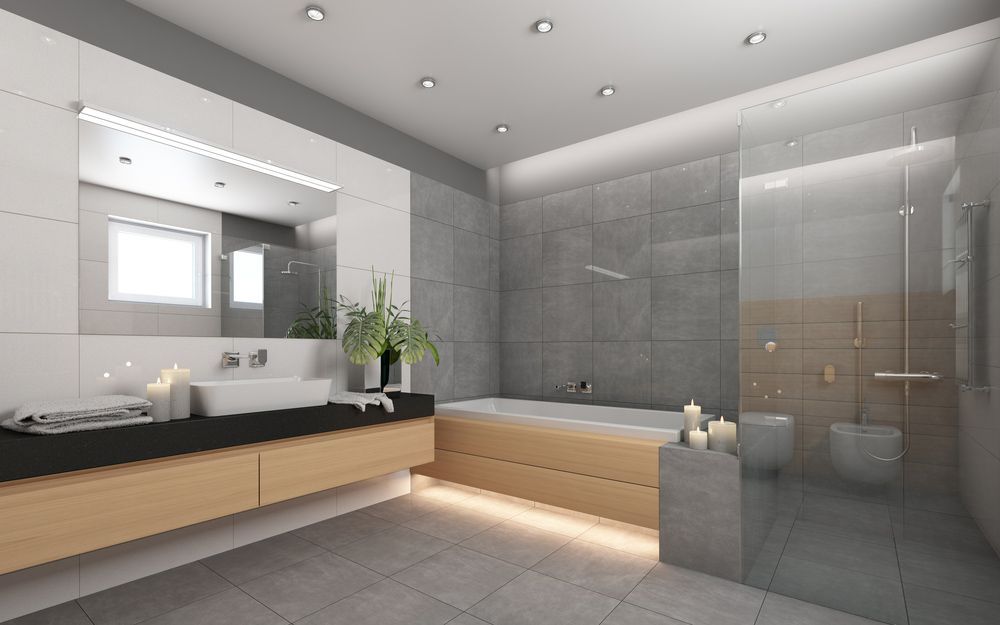
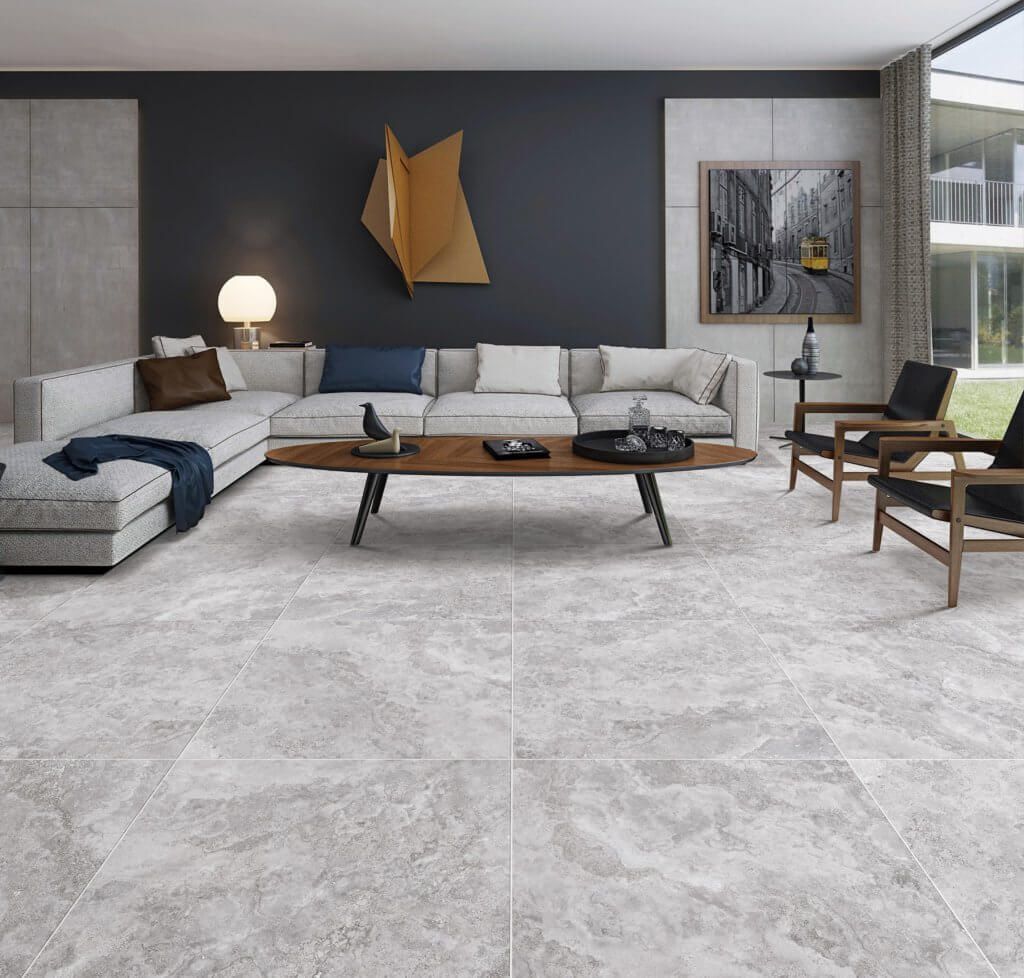
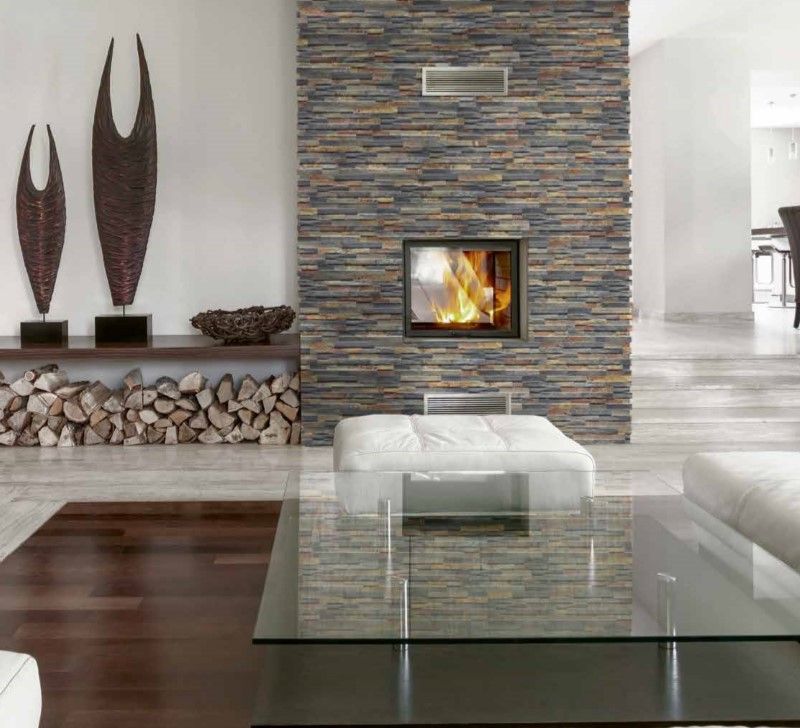
When planning a renovation or building project, choosing the right tiles is an important step. Tiles are commonly used in kitchens, bathrooms, laundries and living spaces, but not all tiles are designed for the same purpose. One of the most common questions homeowners and renovators ask is the difference between floor tiles and wall tiles. Understanding floor tiles vs wall tiles can help ensure the right material is used for each area of your home. Choosing correctly helps improve durability, safety and the overall appearance of your space. If you’re selecting tiles for your home, visiting a trusted tile shop in Darwin can help you explore the most suitable options for your project. Why Tile Type Matters At first glance, floor and wall tiles can look very similar. However, they are manufactured with different properties depending on how they will be used. Floor tiles are designed to withstand foot traffic, weight and daily wear. Wall tiles, on the other hand, are typically lighter and designed mainly for decorative purposes. Using the wrong tile type in the wrong location may lead to issues such as cracking, poor durability or reduced slip resistance. When browsing a tile shop, it is helpful to understand these differences before selecting materials. Strength and Durability One of the most important differences between floor and wall tiles is strength. Floor Tiles Floor tiles are manufactured to be stronger and more durable. They must support: Regular foot traffic Furniture weight Movement across the surface Because of these demands, floor tiles are often thicker and made from more robust materials. Wall Tiles Wall tiles are generally thinner and lighter because they do not need to support heavy loads. Their primary purpose is to provide a decorative surface and protect walls from moisture. When considering floor tiles vs wall tiles, strength is a key factor in determining the appropriate tile for each application. Thickness and Weight Floor tiles are usually thicker than wall tiles. This added thickness improves their ability to withstand pressure and prevent cracking under weight. Wall tiles are typically lighter and thinner, which makes them easier to install vertically. Heavier tiles may place unnecessary stress on walls and adhesives. For homeowners exploring options at a tile shop in Darwin , understanding tile thickness can help ensure the right materials are selected for both floors and walls. Slip Resistance Slip resistance is an important safety consideration, particularly in areas exposed to moisture such as bathrooms, kitchens and outdoor spaces. Floor Tiles Many floor tiles are manufactured with textured or matte surfaces that provide improved grip. This helps reduce the risk of slipping, especially in wet environments. Slip-resistant tiles are commonly used in areas such as: Bathroom floors Laundry rooms Outdoor patios Entryways Wall Tiles Wall tiles usually have smoother surfaces because slip resistance is not required on vertical surfaces. Glossy finishes are common for decorative wall tiles because they reflect light and are easier to clean. When comparing floor tiles vs wall tiles, slip resistance is one of the most important safety differences. Surface Finish and Appearance Wall tiles often offer a wider variety of decorative finishes, colours and patterns. Because they do not experience foot traffic, they can be designed with glossy surfaces, intricate textures or delicate materials. Common uses for wall tiles include: Kitchen splashbacks Bathroom feature walls Laundry walls Decorative interior spaces Floor tiles typically prioritise durability and slip resistance over decorative finishes, although many modern floor tiles still offer stylish designs. When visiting a tile shop, homeowners can explore both functional and decorative tile options suited to different areas of the home. Installation Considerations Installing tiles correctly requires selecting materials that match the intended application. Using wall tiles on the floor is generally not recommended because they may not have the strength required for foot traffic. This can increase the risk of cracking or damage. In some cases, floor tiles may be used on walls because they are strong enough for vertical installation. However, their heavier weight may require additional support and careful installation. A reputable tile shop in Darwin can help explain which tiles are suitable for each part of the home and assist with selecting the right materials. Common Areas for Floor Tiles Floor tiles are commonly used in areas that experience frequent movement or moisture. Examples include: Living areas Kitchens Bathrooms Laundries Hallways Outdoor spaces These areas benefit from the durability and slip resistance that floor tiles provide. Common Areas for Wall Tiles Wall tiles are often installed in areas where decorative finishes and moisture protection are important. Typical wall tile locations include: Kitchen splashbacks Shower walls Bathroom walls Laundry walls Feature walls These tiles protect surfaces from water exposure while contributing to the overall design of the space. Choosing the Right Tiles for Your Project Selecting the correct tile type is an important part of achieving a durable and attractive finish. Factors to consider include: Location of the tile installation Expected foot traffic Moisture exposure Safety requirements such as slip resistance Overall design preferences By understanding the differences between floor tiles vs wall tiles, homeowners can avoid common renovation mistakes and ensure their tiles perform well over time. Finding the Right Tiles in Darwin Whether you are renovating a bathroom, updating a kitchen or designing a new home, selecting the right tiles can make a significant difference to the final result. A professional tile shop in Darwin can help homeowners, builders and designers choose suitable tiles for floors and walls. Speaking with tile specialists can help ensure the materials you choose provide the durability, safety and visual appeal needed for your project. Contact the team at Northern Tile Gallery today

By Northern Tile Gallery
•
March 18, 2026
When planning a renovation or building project, choosing the right tiles is an important step. Tiles are commonly used in kitchens, bathrooms, laundries and living spaces, but not all tiles are designed for the same purpose. One of the most common questions homeowners and renovators ask is the difference between floor tiles and wall tiles. Understanding floor tiles vs wall tiles can help ensure the right material is used for each area of your home. Choosing correctly helps improve durability, safety and the overall appearance of your space. If you’re selecting tiles for your home, visiting a trusted tile shop in Darwin can help you explore the most suitable options for your project. Why Tile Type Matters At first glance, floor and wall tiles can look very similar. However, they are manufactured with different properties depending on how they will be used. Floor tiles are designed to withstand foot traffic, weight and daily wear. Wall tiles, on the other hand, are typically lighter and designed mainly for decorative purposes. Using the wrong tile type in the wrong location may lead to issues such as cracking, poor durability or reduced slip resistance. When browsing a tile shop, it is helpful to understand these differences before selecting materials. Strength and Durability One of the most important differences between floor and wall tiles is strength. Floor Tiles Floor tiles are manufactured to be stronger and more durable. They must support: Regular foot traffic Furniture weight Movement across the surface Because of these demands, floor tiles are often thicker and made from more robust materials. Wall Tiles Wall tiles are generally thinner and lighter because they do not need to support heavy loads. Their primary purpose is to provide a decorative surface and protect walls from moisture. When considering floor tiles vs wall tiles, strength is a key factor in determining the appropriate tile for each application. Thickness and Weight Floor tiles are usually thicker than wall tiles. This added thickness improves their ability to withstand pressure and prevent cracking under weight. Wall tiles are typically lighter and thinner, which makes them easier to install vertically. Heavier tiles may place unnecessary stress on walls and adhesives. For homeowners exploring options at a tile shop in Darwin , understanding tile thickness can help ensure the right materials are selected for both floors and walls. Slip Resistance Slip resistance is an important safety consideration, particularly in areas exposed to moisture such as bathrooms, kitchens and outdoor spaces. Floor Tiles Many floor tiles are manufactured with textured or matte surfaces that provide improved grip. This helps reduce the risk of slipping, especially in wet environments. Slip-resistant tiles are commonly used in areas such as: Bathroom floors Laundry rooms Outdoor patios Entryways Wall Tiles Wall tiles usually have smoother surfaces because slip resistance is not required on vertical surfaces. Glossy finishes are common for decorative wall tiles because they reflect light and are easier to clean. When comparing floor tiles vs wall tiles, slip resistance is one of the most important safety differences. Surface Finish and Appearance Wall tiles often offer a wider variety of decorative finishes, colours and patterns. Because they do not experience foot traffic, they can be designed with glossy surfaces, intricate textures or delicate materials. Common uses for wall tiles include: Kitchen splashbacks Bathroom feature walls Laundry walls Decorative interior spaces Floor tiles typically prioritise durability and slip resistance over decorative finishes, although many modern floor tiles still offer stylish designs. When visiting a tile shop, homeowners can explore both functional and decorative tile options suited to different areas of the home. Installation Considerations Installing tiles correctly requires selecting materials that match the intended application. Using wall tiles on the floor is generally not recommended because they may not have the strength required for foot traffic. This can increase the risk of cracking or damage. In some cases, floor tiles may be used on walls because they are strong enough for vertical installation. However, their heavier weight may require additional support and careful installation. A reputable tile shop in Darwin can help explain which tiles are suitable for each part of the home and assist with selecting the right materials. Common Areas for Floor Tiles Floor tiles are commonly used in areas that experience frequent movement or moisture. Examples include: Living areas Kitchens Bathrooms Laundries Hallways Outdoor spaces These areas benefit from the durability and slip resistance that floor tiles provide. Common Areas for Wall Tiles Wall tiles are often installed in areas where decorative finishes and moisture protection are important. Typical wall tile locations include: Kitchen splashbacks Shower walls Bathroom walls Laundry walls Feature walls These tiles protect surfaces from water exposure while contributing to the overall design of the space. Choosing the Right Tiles for Your Project Selecting the correct tile type is an important part of achieving a durable and attractive finish. Factors to consider include: Location of the tile installation Expected foot traffic Moisture exposure Safety requirements such as slip resistance Overall design preferences By understanding the differences between floor tiles vs wall tiles, homeowners can avoid common renovation mistakes and ensure their tiles perform well over time. Finding the Right Tiles in Darwin Whether you are renovating a bathroom, updating a kitchen or designing a new home, selecting the right tiles can make a significant difference to the final result. A professional tile shop in Darwin can help homeowners, builders and designers choose suitable tiles for floors and walls. Speaking with tile specialists can help ensure the materials you choose provide the durability, safety and visual appeal needed for your project. Contact the team at Northern Tile Gallery today