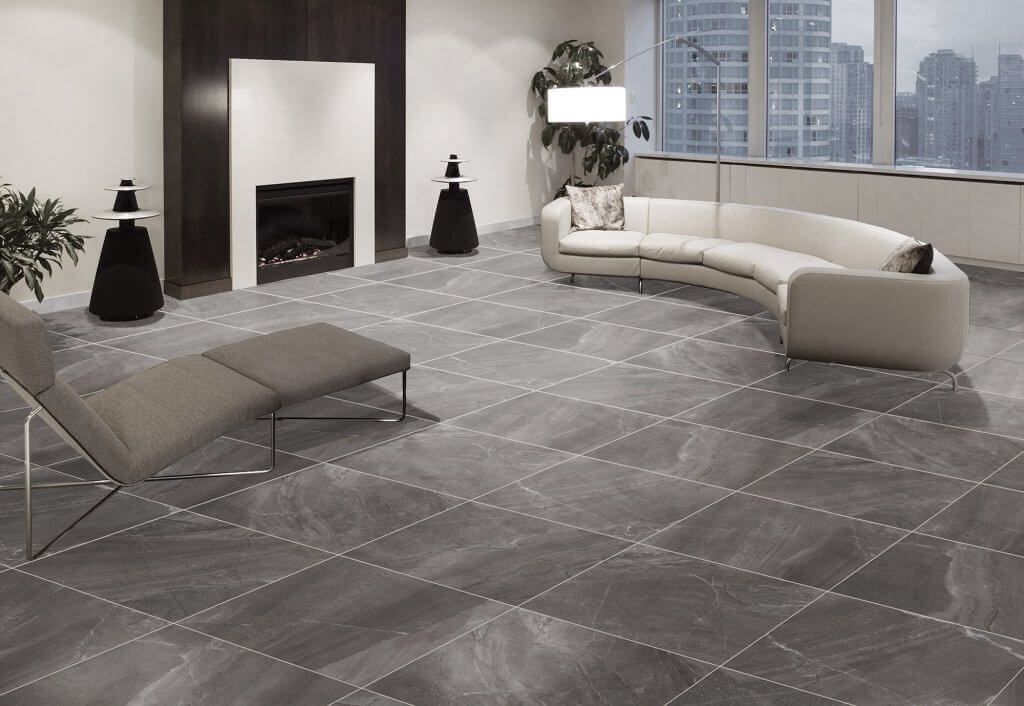
Matt Vs Gloss Tiles In Darwin: Which Finish Is Easier To Maintain & Safer Underfoot?

Northern Tile Gallery • January 15, 2026

Choosing tiles isn’t just about colour or style. The finish you select plays a major role in how a surface looks, feels and performs over time. It influences maintenance, comfort underfoot and how well the tiles hold up in everyday conditions.


For homeowners visiting a tile shop in Darwin, the choice between matt and gloss tiles often comes down to practicality. Maintenance requirements, slip resistance and how each finish responds to humidity all affect long-term satisfaction.


In a climate where moisture is a part of daily life, finishes behave differently once they are installed. Understanding these differences early helps avoid regret after installation. It also supports better outcomes in areas prone to moisture, such as bathrooms and laundries, as well as in dry living spaces throughout the home.

First Impressions Matter, But Finish Affects Daily Living

Tile finishes influence more than the appearance of your property. They shape how a space feels underfoot and how it functions on a day-to-day basis. Matt tiles create a softer, muted look that reduces glare, while gloss tiles reflect light, making rooms feel brighter and more open.


Practical considerations often include:


  • How visible marks & residue appear over time
  • How the surface feels when walked on barefoot
  • How lighting interacts with the tile finish


A finish that looks ideal in a showroom may behave very differently once installed in a lived-in space. Foot traffic, moisture and lighting all affect performance. Matching visual preference with practical needs helps ensure tiles remain comfortable, functional and visually appealing well beyond installation.

Cleaning Routines Compared in Real Darwin Homes

Maintenance requirements vary noticeably between matt and gloss tiles. Gloss finishes tend to show water spots, footprints and smudges more easily, particularly in high-use or wet areas. Matt tiles can disguise marks more effectively, but may hold grime within the surface texture if cleaning isn’t done thoroughly.


Common cleaning considerations include:


  • Frequency of wiping & mopping
  • Effort required to remove residue
  • Visibility of streaks after cleaning


Over time, these factors determine how frequently floors and walls require attention to maintain their appearance. Choosing a finish that aligns with household routines can significantly reduce ongoing effort. Many homeowners visiting a tile shop in Darwin prioritise finishes that balance visual appeal with practical, manageable upkeep rather than selecting purely on appearance alone.

Humidity Changes How Tile Finishes Behave

Humidity influences how tile surfaces age and perform, particularly in tropical conditions. Moisture in the air slows down drying times after cleaning or daily use, which can highlight streaks on gloss tiles or encourage residue buildup on textured finishes. Over time, this can affect both appearance and maintenance effort.


In humid environments, issues may include:


  • Lingering moisture after cleaning
  • Increased soap or mineral residue
  • Surface dulling over time


These factors don’t mean one finish is unsuitable, but they do require consideration. Both matt and gloss tiles can perform well when chosen for the right location and usage. Understanding how finishes respond to ongoing humidity helps ensure tiles retain their intended look and remain practical, rather than becoming progressively harder to clean as conditions fluctuate throughout the year.

Slip Resistance Where It Matters Most

Safety is a key consideration in wet areas. While finish influences grip, it isn’t the sole factor determining slip resistance. Texture, tile rating and installation location all play a role.


High-risk areas often include:


  • Bathrooms & ensuites
  • Laundries & utility spaces
  • Entryways exposed to moisture


Matt tiles often provide more natural traction, while some gloss tiles are manufactured with slip-resistant properties. Selecting tiles based on safety requirements rather than appearance alone helps reduce risk without compromising design.

Understanding Slip Ratings Beyond the Surface Look

Slip ratings offer a clearer picture of how a tile performs underfoot. These ratings assess traction in controlled conditions and apply to both matt and gloss tiles.


Important points to consider include:


  • Slip ratings vary by tile type, not just finish
  • A gloss tile may meet safety requirements in some areas
  • Matt tiles are not automatically suitable for all wet zones


Relying on ratings rather than assumptions allows for informed decisions. Guidance from a tile shop in Darwin helps clarify which finishes meet compliance needs for specific rooms.

Where Matt Tiles Tend to Work Best

Matt tiles are commonly chosen for spaces where reduced glare and added grip are valued. Their understated appearance suits functional areas while still offering design flexibility.


They’re often selected for:


  • Living areas with natural light
  • Bathrooms requiring traction
  • Outdoor or semi-covered zones


Matt finishes can soften a space visually and feel more forgiving underfoot. When paired with appropriate cleaning methods, they remain practical and durable in areas exposed to moisture or regular foot traffic.

When Gloss Tiles Are Still A Smart Choice

Gloss tiles remain popular due to their reflective qualities and polished appearance. They’re frequently used to enhance light and create a sense of openness, particularly in compact spaces.


They’re commonly suited to:


  • Kitchen splashbacks
  • Feature walls
  • Low-traffic interior areas


When placed appropriately, gloss tiles are easy to wipe clean and maintain their shine. Careful placement avoids safety concerns while allowing homeowners to enjoy their visual impact without an added maintenance burden.

Why Viewing Tiles in Person Changes Decisions

Seeing tiles in person provides clarity that samples and images can’t fully convey. Texture, slip feel, and colour depth are easier to assess when handled directly.


An in-store visit allows:


  • Comparison of finishes under realistic lighting
  • Hands-on assessment of texture
  • Informed guidance on room suitability


This experience helps narrow choices confidently. It also reduces the risk of selecting a finish that looks appealing online but performs poorly in practice.

Choose the Right Tile Finish

At Northern Tile Gallery, we help Darwin homeowners navigate finish options with practical advice tailored to real living conditions. We understand how humidity, safety and maintenance influence tile performance and guide selections accordingly.


If you’re weighing matt versus gloss tiles and want clarity before committing, speak with our expert team to explore suitable options and arrange a consultation.
Tile Shop Darwin
By Northern Tile Gallery April 19, 2026
If you are visiting a tile shop in Darwin to choose your materials, having accurate measurements and a clear plan will help you make confident decisions.
By Northern Tile Gallery March 18, 2026
When planning a renovation or building project, choosing the right tiles is an important step. Tiles are commonly used in kitchens, bathrooms, laundries and living spaces, but not all tiles are designed for the same purpose. One of the most common questions homeowners and renovators ask is the difference between floor tiles and wall tiles. Understanding floor tiles vs wall tiles can help ensure the right material is used for each area of your home. Choosing correctly helps improve durability, safety and the overall appearance of your space. If you’re selecting tiles for your home, visiting a trusted tile shop in Darwin can help you explore the most suitable options for your project. Why Tile Type Matters At first glance, floor and wall tiles can look very similar. However, they are manufactured with different properties depending on how they will be used. Floor tiles are designed to withstand foot traffic, weight and daily wear. Wall tiles, on the other hand, are typically lighter and designed mainly for decorative purposes. Using the wrong tile type in the wrong location may lead to issues such as cracking, poor durability or reduced slip resistance. When browsing a tile shop, it is helpful to understand these differences before selecting materials. Strength and Durability One of the most important differences between floor and wall tiles is strength. Floor Tiles Floor tiles are manufactured to be stronger and more durable. They must support: Regular foot traffic Furniture weight Movement across the surface Because of these demands, floor tiles are often thicker and made from more robust materials. Wall Tiles Wall tiles are generally thinner and lighter because they do not need to support heavy loads. Their primary purpose is to provide a decorative surface and protect walls from moisture. When considering floor tiles vs wall tiles, strength is a key factor in determining the appropriate tile for each application. Thickness and Weight Floor tiles are usually thicker than wall tiles. This added thickness improves their ability to withstand pressure and prevent cracking under weight. Wall tiles are typically lighter and thinner, which makes them easier to install vertically. Heavier tiles may place unnecessary stress on walls and adhesives. For homeowners exploring options at a tile shop in Darwin , understanding tile thickness can help ensure the right materials are selected for both floors and walls. Slip Resistance Slip resistance is an important safety consideration, particularly in areas exposed to moisture such as bathrooms, kitchens and outdoor spaces. Floor Tiles Many floor tiles are manufactured with textured or matte surfaces that provide improved grip. This helps reduce the risk of slipping, especially in wet environments. Slip-resistant tiles are commonly used in areas such as: Bathroom floors Laundry rooms Outdoor patios Entryways Wall Tiles Wall tiles usually have smoother surfaces because slip resistance is not required on vertical surfaces. Glossy finishes are common for decorative wall tiles because they reflect light and are easier to clean. When comparing floor tiles vs wall tiles, slip resistance is one of the most important safety differences. Surface Finish and Appearance Wall tiles often offer a wider variety of decorative finishes, colours and patterns. Because they do not experience foot traffic, they can be designed with glossy surfaces, intricate textures or delicate materials. Common uses for wall tiles include: Kitchen splashbacks Bathroom feature walls Laundry walls Decorative interior spaces Floor tiles typically prioritise durability and slip resistance over decorative finishes, although many modern floor tiles still offer stylish designs. When visiting a tile shop, homeowners can explore both functional and decorative tile options suited to different areas of the home. Installation Considerations Installing tiles correctly requires selecting materials that match the intended application. Using wall tiles on the floor is generally not recommended because they may not have the strength required for foot traffic. This can increase the risk of cracking or damage. In some cases, floor tiles may be used on walls because they are strong enough for vertical installation. However, their heavier weight may require additional support and careful installation. A reputable tile shop in Darwin can help explain which tiles are suitable for each part of the home and assist with selecting the right materials. Common Areas for Floor Tiles Floor tiles are commonly used in areas that experience frequent movement or moisture. Examples include: Living areas Kitchens Bathrooms Laundries Hallways Outdoor spaces These areas benefit from the durability and slip resistance that floor tiles provide. Common Areas for Wall Tiles Wall tiles are often installed in areas where decorative finishes and moisture protection are important. Typical wall tile locations include: Kitchen splashbacks Shower walls Bathroom walls Laundry walls Feature walls These tiles protect surfaces from water exposure while contributing to the overall design of the space. Choosing the Right Tiles for Your Project Selecting the correct tile type is an important part of achieving a durable and attractive finish. Factors to consider include: Location of the tile installation Expected foot traffic Moisture exposure Safety requirements such as slip resistance Overall design preferences By understanding the differences between floor tiles vs wall tiles, homeowners can avoid common renovation mistakes and ensure their tiles perform well over time. Finding the Right Tiles in Darwin Whether you are renovating a bathroom, updating a kitchen or designing a new home, selecting the right tiles can make a significant difference to the final result. A professional tile shop in Darwin can help homeowners, builders and designers choose suitable tiles for floors and walls. Speaking with tile specialists can help ensure the materials you choose provide the durability, safety and visual appeal needed for your project. Contact the team at Northern Tile Gallery today
A Retail Display Rack Featuring An Assortment Of Square Tiles
By Northern Tile Gallery March 16, 2026
Choose safe, long-lasting floors with expert advice from a tile shop in Darwin. Learn about slip ratings, durability and finishes for your project.
View More