What To Look For When Visiting A Tile Shop In Darwin: A Buyer’s Guide
Stepping into a tile shop can feel overwhelming—walls of colours, rows of finishes and an endless mix of materials to choose from. Whether you’re renovating a bathroom, updating a kitchen splashback or designing a new outdoor area, choosing the right tiles plays a huge role in how your home looks and performs. And in the Top End, where humidity, heat and seasonal downpours are part of everyday life, tile selection needs a little extra consideration. For anyone exploring options at a local tile shop, this guide will help you understand what to look for, what questions to ask and how to make confident decisions during your visit.
Start With Tile Quality: What Makes a Tile Worth Choosing?
Quality matters—not just for appearance, but for longevity, safety and maintenance. When browsing tiles in person, you can assess things you simply can’t see online. High-quality tiles often feel denser, have consistent colouring and show minimal flaws. The edges should be well-cut and even, especially if you’re aiming for narrow grout lines or a seamless finish. Things to look for in-store include:
- Consistency across the batch – colour and pattern should match
- Rectified edges for cleaner lines and sharper grout joints
- Low porousness (important for bathrooms, kitchens and outdoor living areas)
- Durability ratings suitable for your intended space
Tile quality varies greatly, so seeing and touching tiles in person helps you choose materials suited to your project.
Choose Materials That Suit Darwin’s Tropical Climate
Humidity, intense heat and monsoonal weather can impact how tiles behave over time. Darwin’s climate is unique, and your tile selection should reflect that.
Some materials absorb moisture more readily, while others handle temperature changes without issue. Natural stone, for example, looks beautiful but may require more maintenance in humid conditions. Porcelain tiles, on the other hand, are dense, low-porous and extremely versatile, making them a popular choice for coastal and tropical environments. Consider materials that work well in the Top End:
- Porcelain tiles for indoor and outdoor use
- Ceramic tiles for splashbacks or low-moisture spaces
- Textured outdoor tiles for wet season safety
- Ventilated timber-look tiles for a natural feel without weather damage
Ask the team how each material performs in local conditions—they’ll know what has worked well for other Darwin homes.
Compare Finishes, Textures and Slip Ratings
Not all tiles are created equal when it comes to safety, especially in wet areas or outdoor spaces that see heavy rainfall. Slip ratings matter, and a reputable tile shop will clearly label them. Polished tiles look sleek but can be slippery underfoot, while matte and textured tiles provide more grip. When comparing finishes:
- Polished tiles suit indoor living areas but may feel slippery near showers
- Matte tiles provide grip and suit bathrooms, laundries and patios
- Textured outdoor tiles are ideal for walkways, decks and high-traffic spaces
- Glazed tiles are easier to clean and resist staining
In Darwin’s wet season, choosing the right finish is essential for both comfort and safety..
Pay Attention to Colour and How It Works With Light
Darwin’s bright natural light, large windows and strong tropical sun can change how tile colours appear throughout the day. Tiles that look one shade indoors may appear completely different outdoors or under LED lighting. Seeing tiles in person gives you the chance to observe colour variations, undertones and sheen. Tips when comparing colours in-store:
- Hold tiles in both natural and artificial lighting.
- Place tiles next to cabinetry or paint samples if you have them.
- Look at how shadows interact with textured surfaces.
- Consider how bright or dark tiles will impact room temperature perception.
Tiles form a major visual anchor in a home—choosing the right tone early saves costly changes later.
Understand Tile Sizing and How It Affects a Room
Bigger tiles aren’t always better, but they can make spaces feel more open and modern. Smaller tiles can add character or help with tricky bathroom layouts.
When you’re at a tile shop, compare different sizes side-by-side. Seeing them physically gives you a better understanding of scale. Consider these size guidelines:
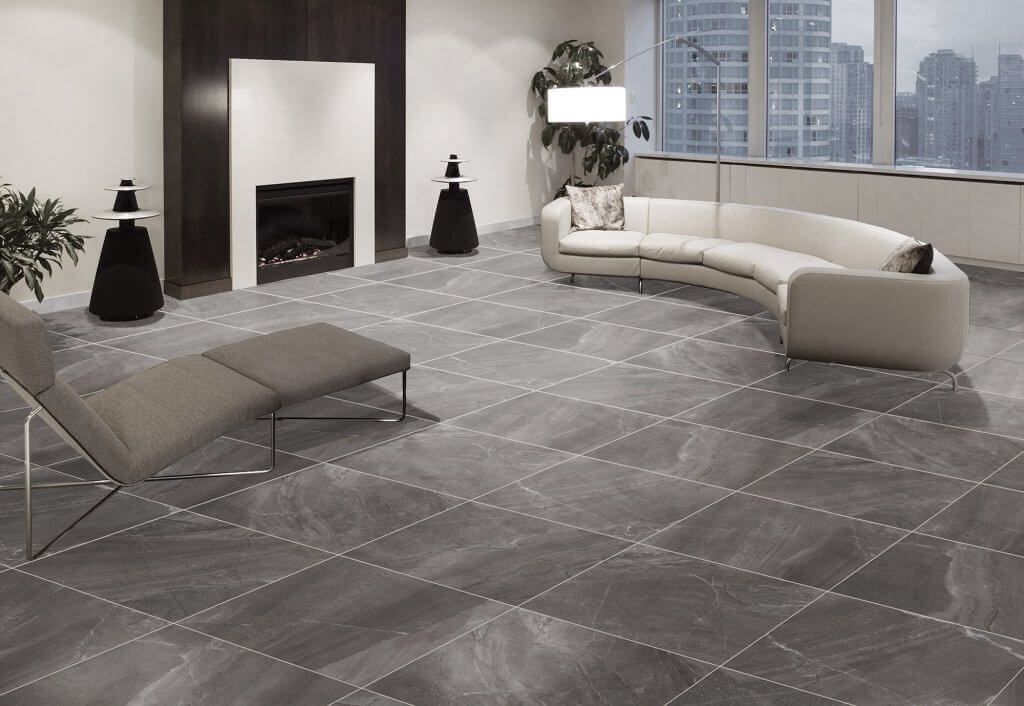
- Large format tiles reduce grout lines and suit open-plan areas
- Standard wall tiles provide flexibility and easier installation
- Mosaic tiles are perfect for shower niches or feature walls
- Outdoor tiles often need thicker formats for durability
A knowledgeable team can help you match tile size to your room dimensions and layout.
Ask About Installation Requirements Before You Buy
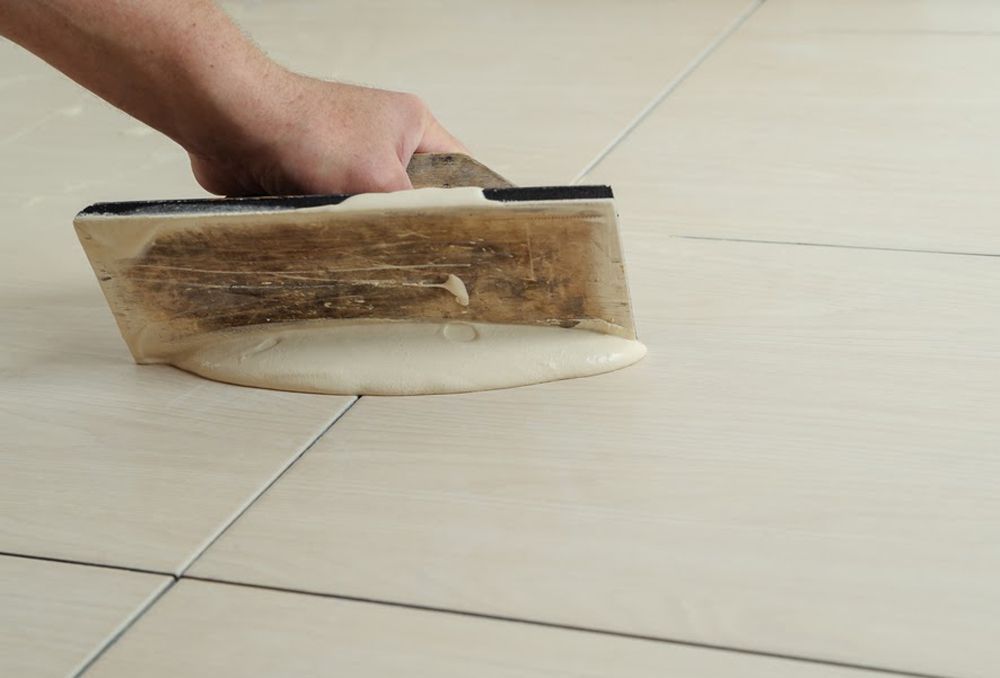
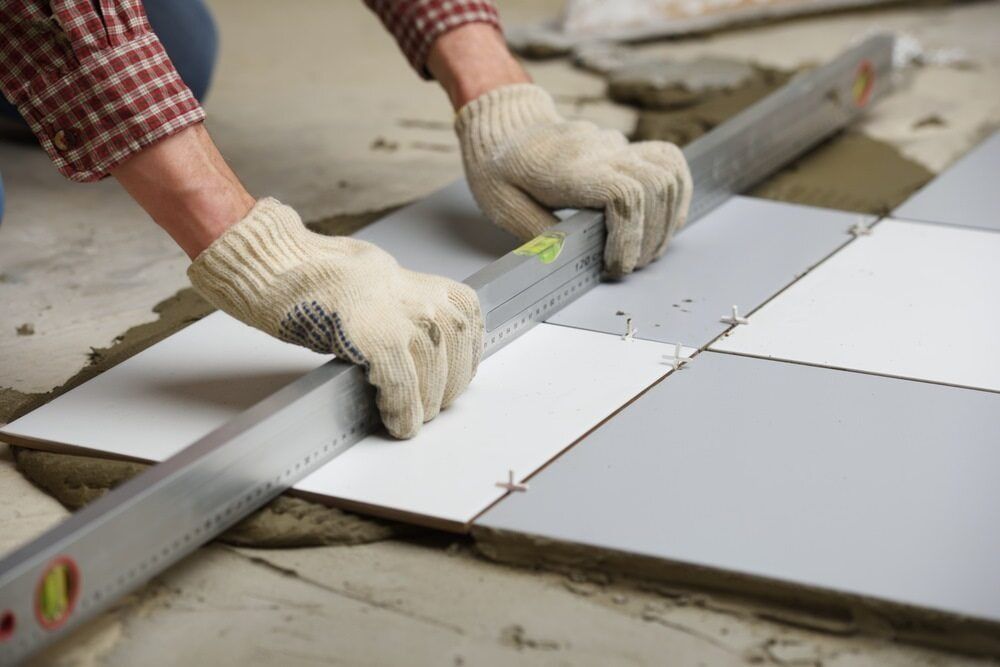
Some tiles require different adhesives, specialised cutting tools or extra preparation work. For example, large format tiles often need levelled floors and natural stone requires sealing. Understanding installation needs upfront prevents unexpected costs later. Important points to clarify include:
- Whether your tile requires sealing
- Suitable grout types for local humidity
- Recommended adhesives or backing boards
- Cutting tolerance for the selected tile
- Whether the tile is suited for walls, floors or both
A reputable tile shop in Darwin will be upfront about installation considerations and help you choose tiles that match your renovation plans..
Benefit From Face-to-Face Expert Advice
One major advantage of visiting a tile shop in person is the opportunity to speak with knowledgeable staff. Whether you’re building new or renovating, tile specialists can recommend options that suit both your style and the conditions in your home. In-store advice is particularly helpful when choosing:
- Bathroom tiles that reduce mould growth
- Outdoor tiles that withstand monsoonal rain
- Poolside tiles suitable for heat and glare
- Kitchen splashback designs that complement cabinetry
Staff can also explain product availability and help you avoid tiles with long lead times—important for renovation timelines.
Choose a Reputable Tile Shop With a Wide, Well-Curated Range
A quality tile shop does more than just display products. It should offer a wide range of materials, clear labelling, helpful information about durability and access to reputable suppliers. When deciding where to shop, look for:
- A diverse selection of styles and finishes
- Tiles suited to both indoor and outdoor spaces
- Knowledgeable staff who understand tropical conditions
- Transparent information about stock levels
- Displays that mimic real home settings
A curated range saves time and helps you find tiles that truly fit your home’s needs.
Visit Us Today
Choosing the right tiles is about more than colour and style. It’s about understanding how materials perform in Darwin’s tropical climate, knowing what to look for in quality and benefiting from expert advice tailored to local conditions. Browsing tiles in person lets you compare finishes, feel textures and make decisions with confidence. Tiles can transform a space, and choosing well ensures your renovation stands the test of time—humidity, heat and all. At Northern Tiles Darwin, we help homeowners and renovators choose tiles that look great, perform well and suit the Top End’s unique climate. Whether you’re updating a bathroom, kitchen or outdoor area, our team is here to guide you through the selection process. Visit our tile shop in Darwin to explore our full range!